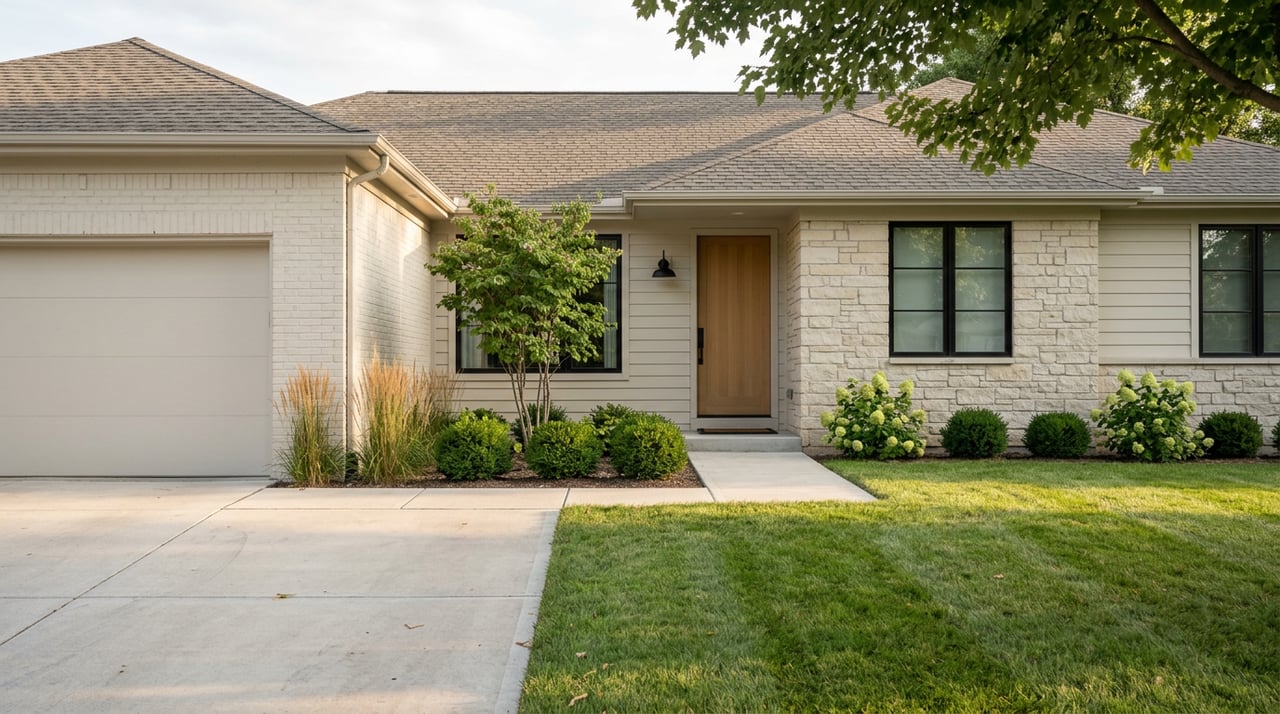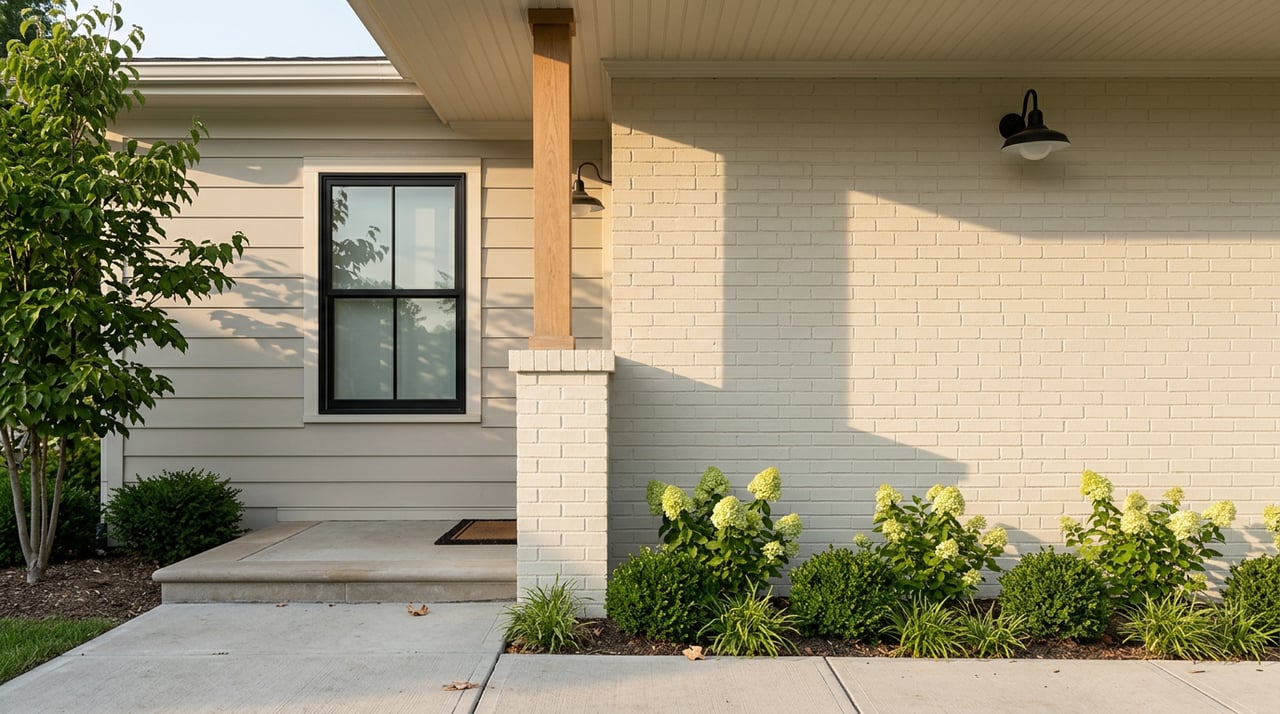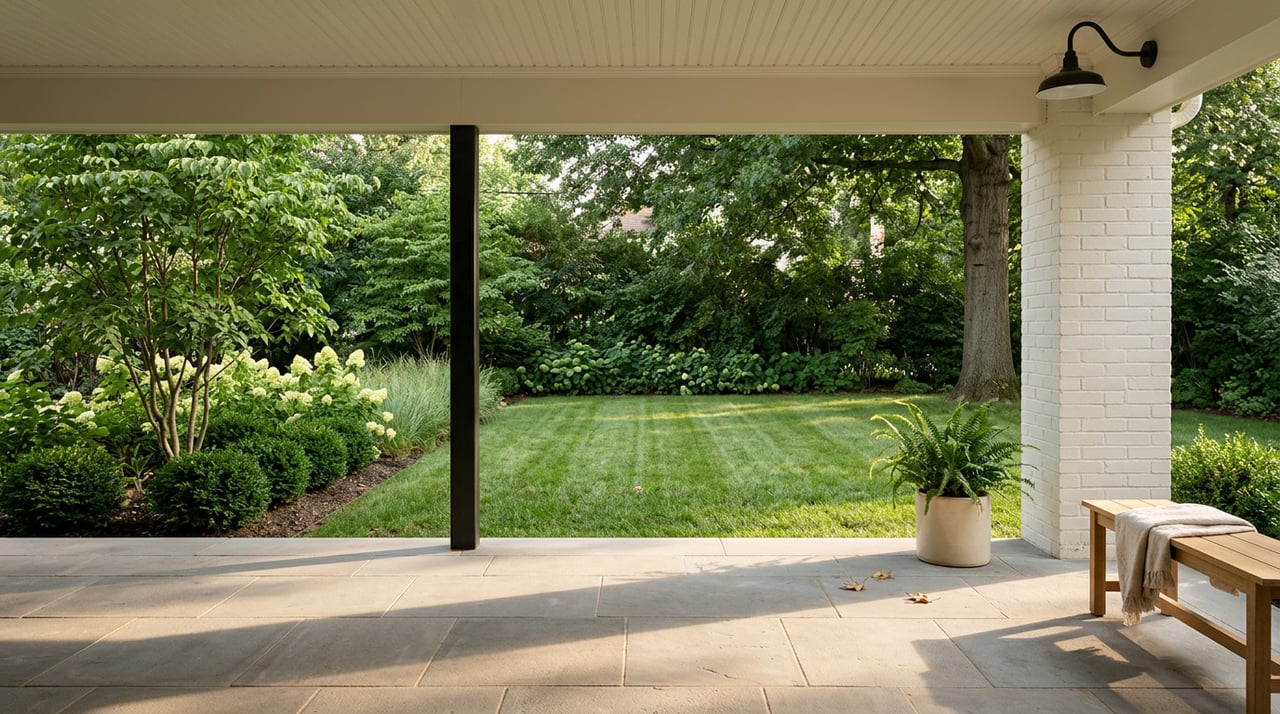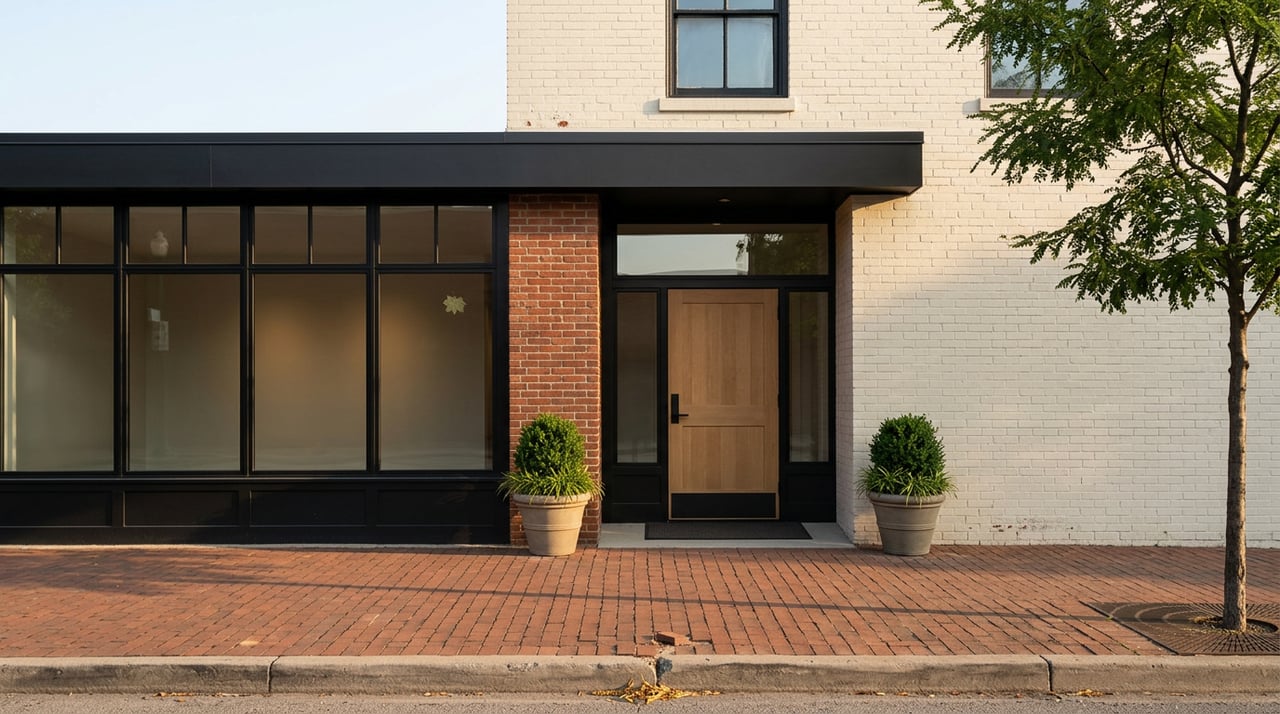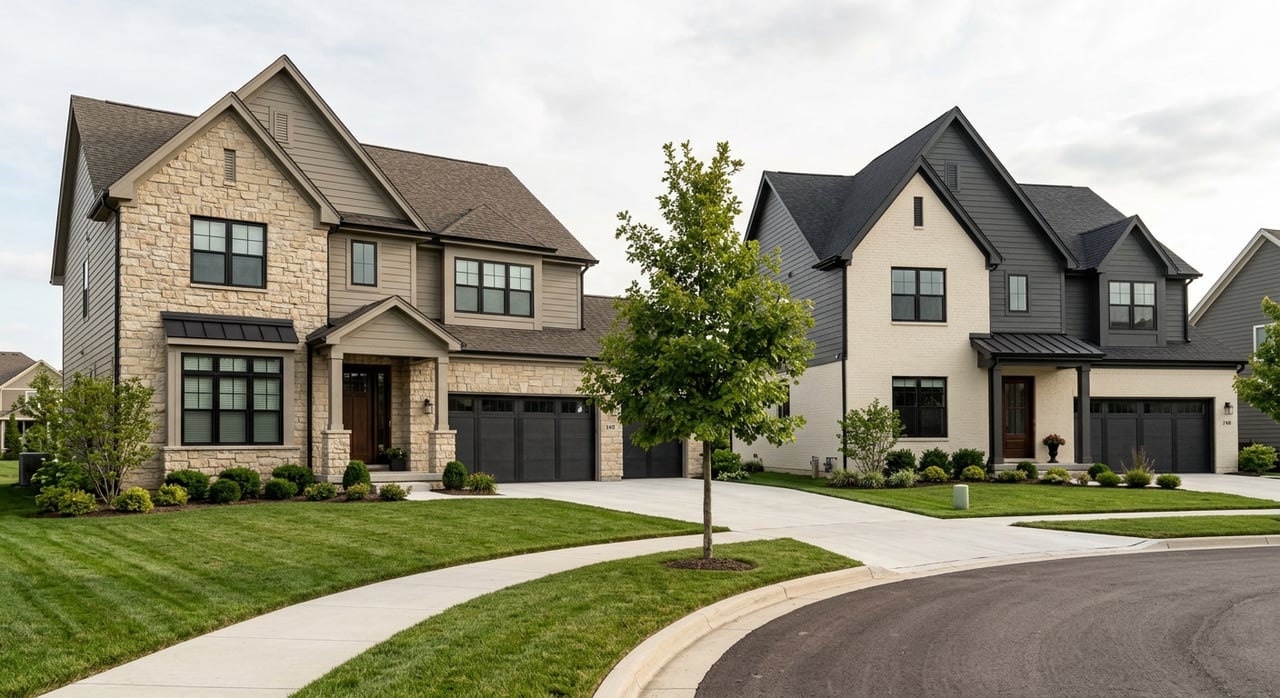
Wondering how to compare new construction neighborhoods in Zionsville when the options look similar at first glance? It can be tough to tell the difference between a townhome community, a master-planned neighborhood, and a custom estate setting until you dig into the details. If you are trying to buy new construction in Zionsville, this guide will help you compare lot size, builder options, fees, timelines, and customization so you can make a smarter decision. Let’s dive in.
Why Zionsville new construction varies so much
New construction in Zionsville is not one-size-fits-all. The town’s planning and HOA environment is very community-specific, and zoning standards help explain why the area includes everything from townhomes to large estate homesites.
That range matters when you start shopping. Two communities may both be labeled “new construction,” but the day-to-day ownership experience, upfront cost, and long-term flexibility can be very different.
Start with the neighborhood type
The first question to ask is simple: What kind of new construction community is this? In Zionsville, the answer usually falls into one of three buckets.
Townhome communities
Townhome neighborhoods tend to offer the smallest private-lot footprint and the most standardized product. A current example is The Towns at Appaloosa, where Pulte’s Jayton plan is a 3-story townhome with 2,378 square feet, 3 to 4 bedrooms, a 2-car garage, and pricing starting at $401,990.
If you want a lower-maintenance setup and a more defined floor plan package, this kind of option may be worth a close look. The tradeoff is usually less outdoor space and less ability to personalize the home compared with a custom-build community.
Single-family production neighborhoods
Single-family production communities sit in the middle. Devonshire is a current example, with plans shown around $510,990 to $535,990 and floor plans around 2,899 to 3,300+ square feet.
This type of neighborhood can work well if you want more space than a townhome but do not want the full complexity of a custom build. You will often get a more structured selection process, preset floor plans, and a clearer path from contract to completion.
Master-planned mixed-product communities
Some neighborhoods offer a wider mix of housing types and lot options. Wild Air is a good example, with a 260-acre site, 30 acres of preserved woodlands, six neighborhoods, and a mix of single-family homes, multifamily homes, apartments, townhomes, and custom lots.
This kind of community can appeal to buyers who want amenities and variety without committing to a fully custom estate process. It can also offer more flexibility if your priorities include community design, future growth, and several housing formats in one development.
Custom and estate communities
At the upper end, Zionsville also has neighborhoods where the homesite itself is a major part of the value. Holliday Farms includes lot standards with minimum lot widths from 70 to 110 feet and minimum lot areas from 7,750 to 12,500 square feet in different subareas.
Promontory goes much larger, advertising 2+ acre estate homesites on a 320-acre property, with current listings showing parcels roughly from 2.0 to 4.0 acres. Bradley Ridge, part of Holliday Farms, is described as a 350-acre gated development with private wooded homesites and limited initial-phase inventory.
Compare lot size before price
One of the biggest mistakes buyers make is comparing neighborhoods by headline price alone. A lower starting price may reflect a much smaller lot, a more standardized home, or fewer included features.
In Zionsville, lot size and site character are often the clearest separators between communities. A townhome, a suburban single-family lot, and a 2-acre estate parcel may all be in the same town, but they deliver very different living experiences.
When you compare neighborhoods, ask:
- How much private outdoor space comes with the property?
- Is the lot compact, standard, wooded, rolling, or acreage-style?
- Is the setting more attached, neighborhood-focused, or estate-like?
- Are lot dimensions published, or only available on request?
If you know you want room to spread out, that should shape your search early. If low exterior maintenance matters more than land, a smaller-lot or townhome product may fit better.
Review builder control and customization
Not all new construction neighborhoods give you the same level of choice. In fact, builder structure is one of the most important comparison points in Zionsville.
Standardized builder model
Communities like Devonshire and Appaloosa are more standardized. Pulte’s current community pages show named floor plans and note that prices, features, amenities, and dimensions can change without notice.
This model can make the process feel more predictable. You usually know the floor plan family, finish path, and builder workflow up front.
Preferred-builder model
Wild Air uses a preferred-builder approach. Its available-lots information lists exclusive builders including David Weekley Homes, G&G Custom Homes, Gradison Design-Build, Old Town Design Group, and Wedgewood Building Company.
Holliday Farms and Promontory are also builder-selective, with preferred-builder programs that are part of the community offering. In neighborhoods like these, the builder list is not just an administrative detail. It affects design style, pricing approach, timelines, and how custom the final home can be.
Understand what fees you may be taking on
The sales price is only part of the cost picture. In Zionsville, HOA structures and related obligations can vary quite a bit by community.
The town notes that it works with neighborhood HOAs on news and neighborhood communication, and many buyers will find that these associations are active. That is why you should compare not only dues, but also maintenance responsibilities, master-association rules, and any required memberships.
For example, Holliday Farms states that every lot includes a Sport & Social membership with access to dining, fitness, tennis, pickleball, and a 9-hole executive course. Devonshire notes that a community association and golf fees may be required.
Before you commit, ask for clarity on:
- HOA dues
- Club or golf fees
- Membership requirements
- Exterior maintenance responsibilities
- Common-area rules and design standards
These costs can affect your monthly budget just as much as your mortgage payment. They also shape how the neighborhood feels once you move in.
Check the timeline and phase status
Another key difference is whether a neighborhood is already established or still rolling out in phases. That can impact your move timeline, nearby construction activity, and even what amenities are available right away.
Wild Air is a phased master plan, not a fully finished neighborhood. Its timeline shows phase 1 homes starting in fall 2025, the clubhouse opening in winter 2025, phase 2 beginning in spring 2026, and phase 2 lot release in fall 2026.
That does not make it better or worse than a more established option. It just means you should compare communities based on when you want to move, how comfortable you are with ongoing development, and whether future amenities are part of your buying decision.
Ask what is included versus optional
New construction pricing can be tricky because the base number does not always tell the full story. Some communities publish a starting home price, while others focus more on lot offerings or custom opportunities.
You will want to understand how much of the finish package is included and what counts as an upgrade. That becomes especially important when you compare a more standardized production home with a preferred-builder or custom-home community.
A smart comparison checklist includes:
- Base price of the home
- Lot premium, if any
- Included finishes and features
- Upgrade packages and allowances
- Garage size, bedroom count, and square footage
- Whether quick move-ins are available
This helps you compare apples to apples instead of reacting to a starting number that may not reflect your final cost.
Pay attention to builder contracts
New construction contracts deserve extra care because the terms can differ from one community to the next. Builders may require earnest money up front, and the timing, refundability, and contract structure can vary.
You should also ask whether the builder expects you to use a preferred lender and how financing timelines work with the construction schedule. In more standardized communities, pricing and features may also change, so it is important to know what is locked in and when.
Why local buyer representation matters
When you compare new construction neighborhoods in Zionsville, the challenge is rarely just finding available homes. The bigger issue is understanding how one community really differs from another once you factor in lot premiums, memberships, HOA documents, builder limitations, timelines, and upgrade costs.
That is where local buyer representation can make the process smoother. Having someone help you compare contracts, community structure, and true ownership costs can give you a clearer picture before you commit.
A simple way to compare Zionsville options
If you want to narrow your search quickly, focus on these five questions first:
- Is this a townhome, a standard single-family neighborhood, a mixed-product master plan, or an estate community?
- Is the builder fixed, preferred, or more customizable?
- Am I comparing home pricing, lot pricing, or both?
- Are there HOA dues only, or additional club, golf, or membership costs?
- Is the neighborhood complete, or still being built in phases?
Those answers will usually tell you more than a brochure headline. They can also help you avoid falling in love with a model home that does not match your budget, timeline, or lifestyle priorities.
If you are weighing new construction options in Zionsville and want a more informed side-by-side comparison, Mina Kadhum can help you sort through neighborhoods, builder differences, and the details that matter before you move forward.
FAQs
How do you compare new construction neighborhoods in Zionsville?
- Start by comparing neighborhood type, lot size, builder model, fees, included features, and construction timeline rather than looking at starting price alone.
What is the difference between townhome and estate options in Zionsville?
- Townhome options like Appaloosa offer a smaller private-lot footprint and more standardized plans, while estate communities like Promontory offer much larger homesites, including parcels around 2.0 to 4.0 acres.
What should you ask about HOA fees in Zionsville new construction?
- Ask whether the community has HOA dues only or also requires club, golf, or membership fees, plus details about maintenance responsibilities and neighborhood rules.
Which Zionsville new construction communities offer more customization?
- Preferred-builder communities such as Wild Air, Holliday Farms, and Promontory generally offer more customization than more standardized production communities.
Why do build timelines matter in Zionsville new construction?
- Build timelines affect your move date, nearby construction activity, and when amenities may be available, especially in phased communities like Wild Air.