Wondering whether your older Indianapolis home will shine or struggle once it hits the market? If you are selling a home with age, charm, and a few quirks, you are not alone. The good news is that with the right prep and a smart price, you can highlight what buyers love, reduce surprises, and enter the market with confidence. Let’s dive in.
Why prep matters in Indianapolis
Indianapolis remains a relatively fast-moving market. In the three months ending May 2026, Redfin reported a median sale price of $255,000, about 2 offers per home, roughly 28 days on market, a 98.1% sale-to-list ratio, and 35.8% of listings with price drops.
For you, that means buyers are active, but they are also comparing options carefully. If your older home shows well and feels well maintained, you may protect more of your pricing power. If it feels overpriced or underprepared, buyers may move on quickly.
Older homes can stand out
An older home in Indianapolis can have a real edge when its original character is intact and thoughtfully presented. Features like hardwood floors, crown molding, stained glass, original windows, pocket doors, vintage light fixtures, fireplaces, and wainscoting can all help buyers connect with the property.
That does not mean every old feature adds value on its own. Buyers still notice deferred maintenance. The goal is to preserve the details that fit the home’s style while making the house feel clean, cared for, and move-in ready.
Focus on what buyers notice first
When preparing an older home for sale, it usually makes sense to freshen rather than gut. National staging research from 2025 found that 83% of buyers’ agents said staging helps buyers visualize the home as their future place to live.
The same research found the most important rooms to stage were the living room, primary bedroom, and kitchen. On the seller side, the most common recommendations were decluttering, cleaning the entire home, and improving curb appeal.
Start with simple, visible updates
Before you consider a major remodel, focus on improvements that buyers see right away:
- Declutter each room
- Deep clean the entire home
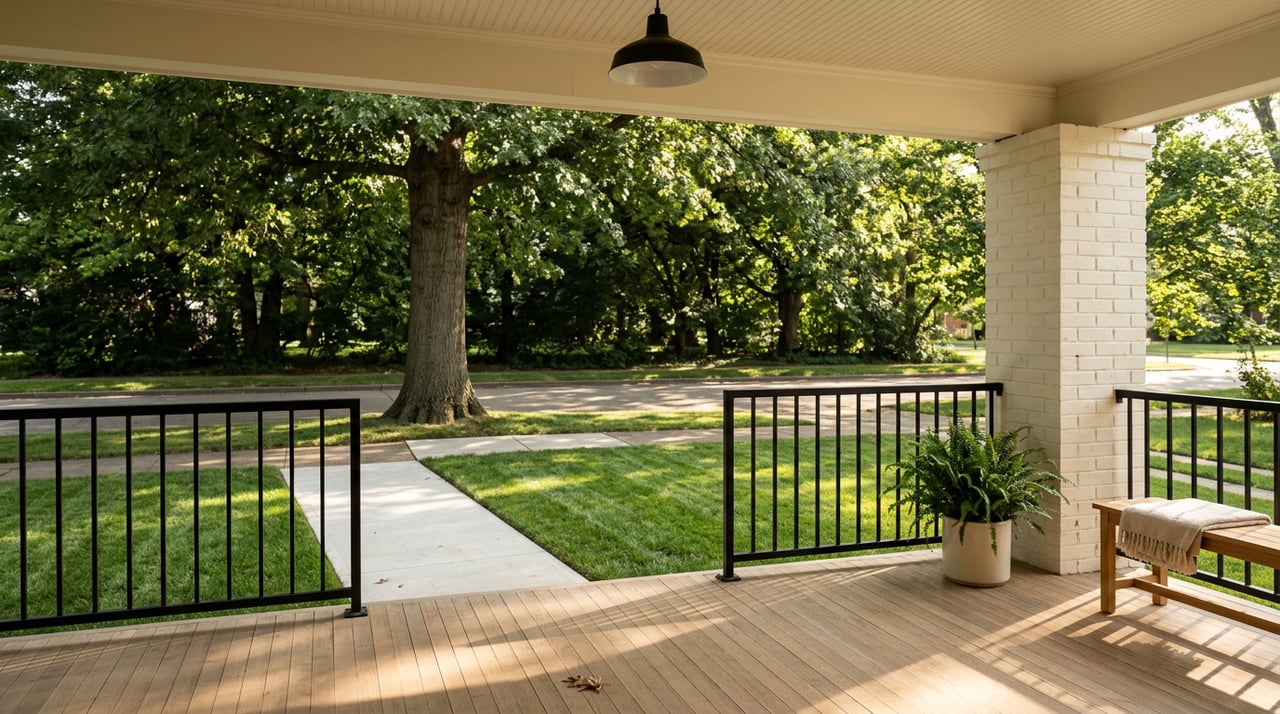
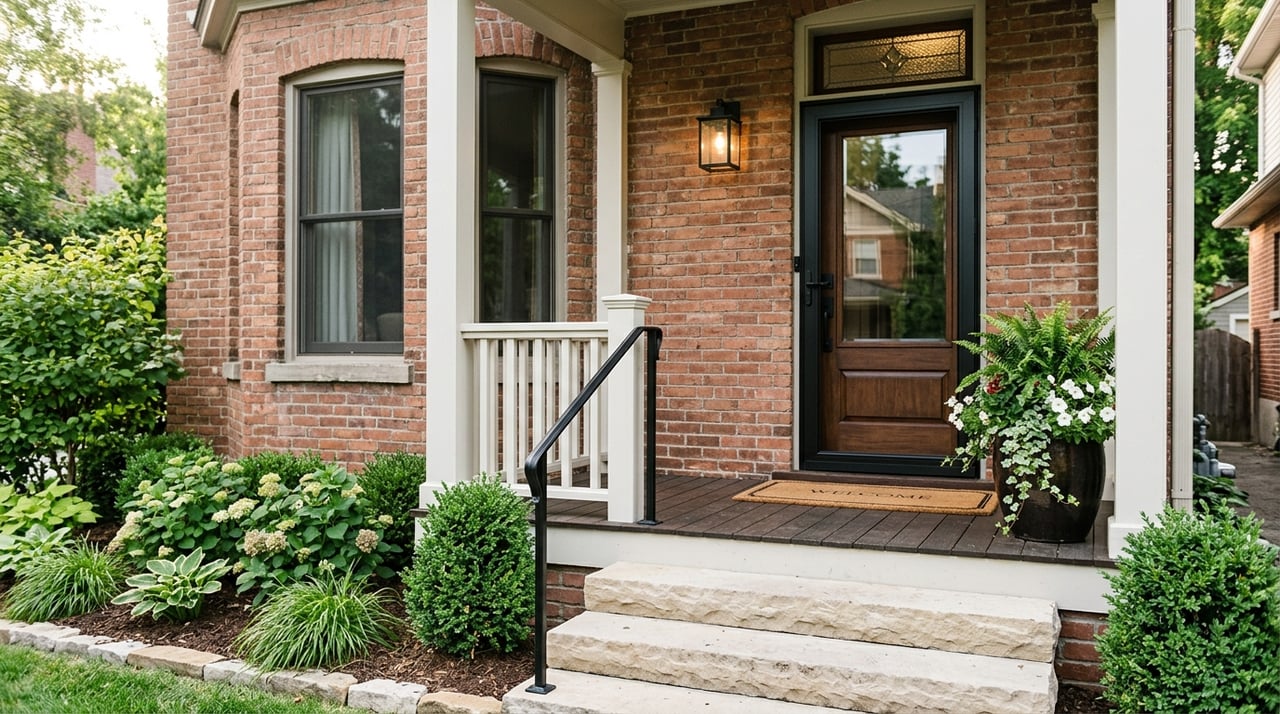
- Improve curb appeal
- Touch up or repaint worn walls
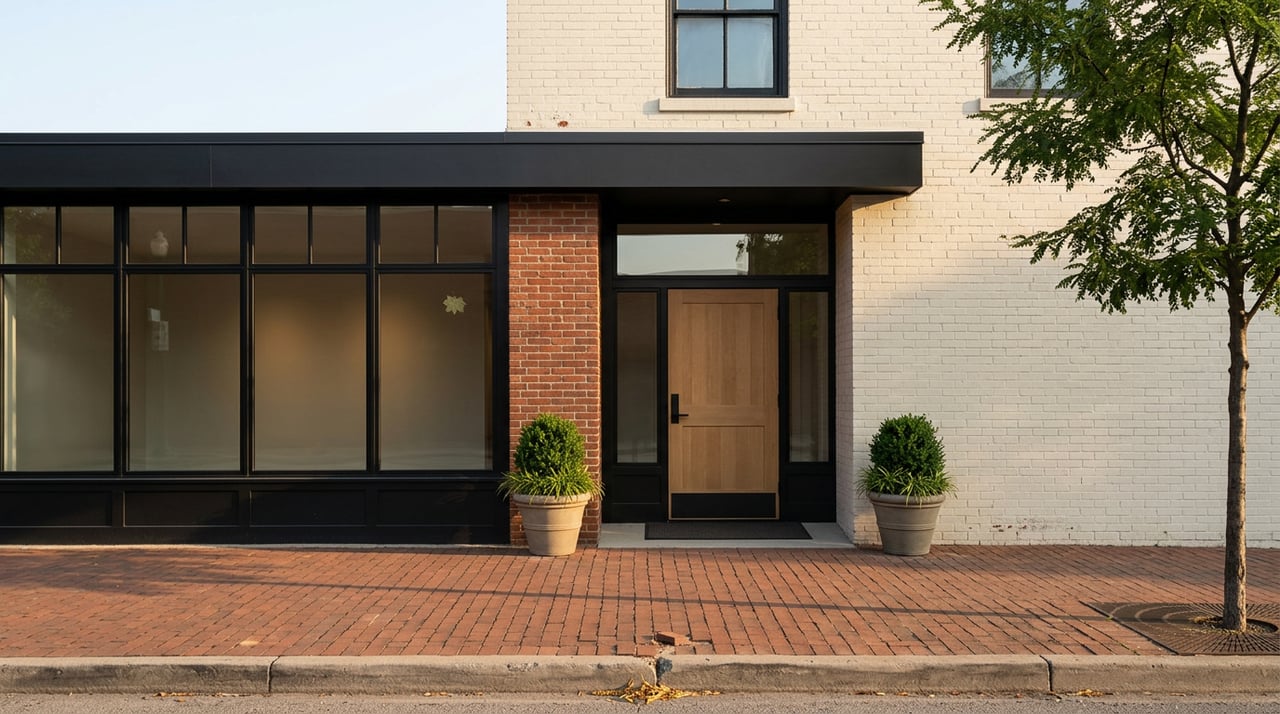
- Refresh the front entry
- Make the living room, kitchen, and primary bedroom show their best
NAR’s 2025 Remodeling Impact Report also found that painting the entire home, painting one room, and new roofing were among the projects agents most often recommend before selling. A new steel front door had 100% cost recovery in its survey, which supports the value of practical, visible updates.
Preserve the home’s character
Older homes often lose appeal when updates erase the details buyers hoped to find. If your home has original woodwork, classic trim, old fireplaces, or vintage lighting that suits the property, those features may help your home stand apart.
Try to present those details clearly instead of covering them up. A clean, bright, well-styled room usually does more than a rushed attempt to make an older home look brand new.
Address inspection risks early
One of the biggest mistakes sellers make with older homes is waiting for the buyer’s inspection to reveal known or likely issues. A pre-list inspection can help you understand the home’s condition before negotiations start.
According to NAR’s consumer guide, a home inspection may evaluate the structure, exterior, roof, plumbing, electrical systems, HVAC, interiors, ventilation and insulation, and fireplaces. It may also include checks for mold, radon gas, lead paint, and asbestos.
Why a pre-list inspection helps
For an older Indianapolis home, a pre-list inspection can help you:
- Identify issues before a buyer does
- Decide which repairs are worth making
- Prepare for more confident pricing
- Reduce last-minute negotiation surprises
- Complete disclosures more accurately
This does not mean you need to fix everything. It means you can make informed choices about what to repair, what to disclose, and how to price the home honestly.
Understand Indiana disclosure requirements
Indiana requires sellers of 1 to 4 unit residential property to disclose known physical-condition issues before an offer is accepted. The state disclosure form specifically asks about roof leaks, foundation or structural problems, moisture or water issues, unpermitted additions or alterations, zoning or building-code violations, flood plain status, and conditions such as lead paint, radon gas, asbestos insulation, mold, and other biological contaminants.
The form also states that the disclosure is not a warranty and does not replace inspections. For you as a seller, that makes early fact-finding especially important. If you know the condition of your home upfront, you can complete the form more confidently and avoid surprises later.
Watch for older-home issues
Older Indianapolis homes can come with concerns that newer homes may not have. That does not mean buyers will avoid them, but it does mean smart preparation matters.
Lead paint in pre-1978 homes
If your home was built before 1978, lead-based paint rules may apply. Sellers of most pre-1978 homes must disclose known lead information and provide the required federal pamphlet, and buyers receive a 10-day period to test for lead-based paint hazards.
If you plan to repaint or disturb old trim, windows, or walls before listing, use caution when selecting contractors. Older surfaces should be handled carefully.
Radon in lower levels
Radon is worth checking, especially if your home has a basement or lower-level living area. Indiana homeowner guidance notes that radon testers and mitigators serving Indiana must be state certified.
Testing can help you understand whether mitigation is needed before listing. For some buyers, having that information upfront can reduce uncertainty.
Permits and exterior changes
If you are planning repairs or upgrades before listing, make sure you understand whether city review is required. Indianapolis zoning rules state that no structure may be located, erected, altered, or repaired in Marion County until an Improvement Location Permit is applied for and issued, unless exempt.
That can be especially important if you are making exterior changes. In some historic-preservation areas, visible exterior work may also require a certificate of appropriateness before approval.
How to price an older home realistically
Pricing is where many older-home sales succeed or stall. The best place to start is with actual recent sold data, not nearby asking prices.
Indiana’s Department of Local Government Finance says its sales-disclosure search allows users to look up sales by address or street information, and real estate professionals use it to compare similar properties and determine fair selling prices. In established Indianapolis neighborhoods, that kind of local sold data matters.
Price the home you have
For an older home, list price should usually reflect three separate things:
- The location and neighborhood context
- The home’s current physical condition
- The level of updating a buyer will still need after closing
If your home is older but well maintained, that can support stronger pricing. If buyers will inherit an aging roof, outdated systems, or unfinished repairs, the price should reflect that clearly.
Avoid pricing like a full renovation
In a market where more than a third of listings have price drops, overpricing can cost you time and leverage. An older home usually should not be priced like a fully renovated one unless its condition and updates truly support that comparison.
A better strategy is to compare your home to the most similar recent sales and then adjust for meaningful differences. Buyers often respond to practical updates like roofing, windows, HVAC, electrical work, kitchens, baths, basement condition, garage space, lot size, and preserved original character.
Marketing supports pricing power
Even the right price needs the right presentation. NAR’s staging report found that buyers’ agents rated photos, traditional staging, videos, and virtual tours as highly important.
For an older home, that means your marketing should tell a clear story. The home should look lived-in, well cared for, and true to its style, not like it is trying to imitate new construction.
What strong older-home marketing does
Strong marketing helps buyers quickly understand:
- What makes the home special
- Which original features have been preserved
- What updates have already been completed
- How the spaces live day to day
- Why the asking price makes sense
That clarity matters because buyers often decide emotionally first and then justify the number with condition, layout, and comparable sales.
A practical plan before you list
If you are getting ready to sell an older home in Indianapolis, this is a smart order of operations:
- Walk through the home with a critical eye
- Declutter, clean, and improve curb appeal
- Consider a pre-list inspection
- Repair issues that create inspection or financing concerns
- Preserve original features that add charm
- Confirm whether planned work needs permits or historic approval
- Review recent neighborhood sales
- Set a price based on condition, updates, and local comps
- Launch with strong photos and polished marketing
This kind of preparation does not just make your home look better. It helps you make cleaner decisions, negotiate from a stronger position, and reduce the chances of a painful price cut later.
If you want to sell your older Indianapolis home with a strategy that balances charm, condition, and market reality, working with a local team can make the process much smoother. For a data-backed pricing plan and hands-on guidance from prep through closing, reach out to Mina Kadhum.
FAQs
What should you fix before selling an older home in Indianapolis?
- Focus first on issues buyers notice quickly or that may raise concerns during inspections, such as cleanliness, curb appeal, paint, roofing, and visible maintenance problems.
Should you get a pre-list inspection for an older Indianapolis home?
- A pre-list inspection can help you learn about the home’s condition before a buyer does, which may help with repair decisions, disclosures, pricing, and negotiations.
How do you price an older home in Indianapolis accurately?
- Start with recent local sold comps, then adjust for condition, level of updating, major systems, lot features, and preserved original details.
Do older homes in Indianapolis need special disclosures?
- Yes. Indiana requires sellers to disclose known physical-condition issues before an offer is accepted, including certain structural, water, hazard, and code-related concerns.
Can original features help sell an older Indianapolis home?
- Yes. Features like hardwood floors, crown molding, fireplaces, and vintage details can appeal to buyers when they are authentic, visible, and well maintained.
Do you need permits for repairs before selling a home in Marion County?
- Some work may require an Improvement Location Permit, and certain homes in historic-preservation areas may need additional approval for visible exterior changes.