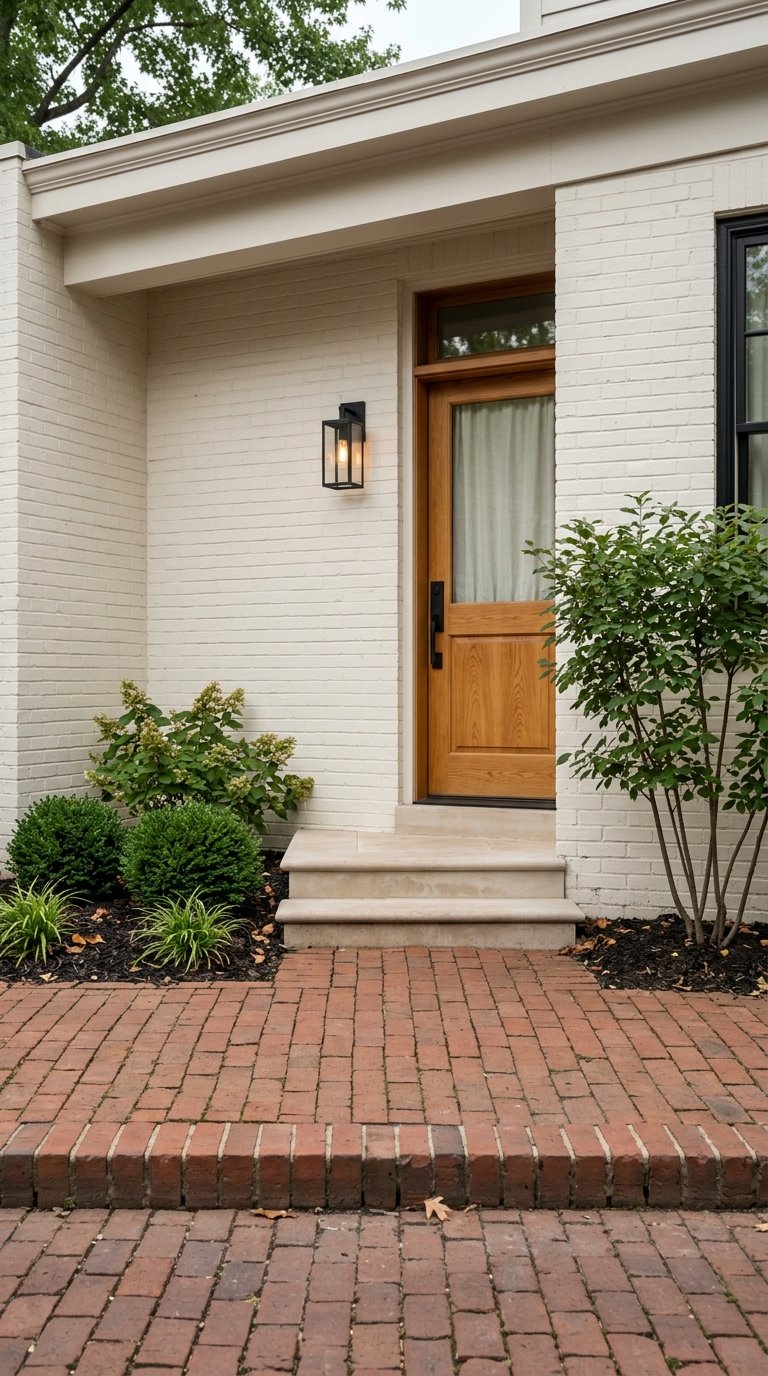
If you are drawn to small-town character but still want practical day-to-day convenience, Zionsville’s Village District likely stands out fast. The brick-paved Main Street, local shops, and historic setting create a lifestyle that feels different from a typical suburban pattern. If you are wondering what it is really like to live near the Village, this guide will walk you through the charm, walkability, housing mix, and price context so you can decide whether it fits your goals. Let’s dive in.
Why the Village District Feels Different
Zionsville describes the area as its historic commercial core, centered on brick-paved Main Street. In official town planning, it is commonly referred to as the Village Business District or the historic Village, and it remains one of the most recognizable parts of town.
The Village is not just a downtown shopping area. Town planning documents show that it is intentionally preserved to maintain its 19th-century character while also supporting pedestrian activity and continuous storefronts. That matters if you want a place with a clear identity, not just a cluster of newer retail.
The district also carries cultural weight within the community. The town says the Zionsville Cultural District is the heart of the village district and helps coordinate art, culture, history, and community-focused initiatives. In March 2025, the Village also earned Indiana Main Street designation, which adds to its role as a carefully managed and celebrated town center.
What Daily Life Looks Like Near the Village
Living near the Village District means having a more experience-driven routine. Instead of hopping in the car for every errand or outing, you may find yourself walking to coffee, dinner, a local event, or a quick stroll down Main Street.
Town materials describe downtown Zionsville as a mix of one-of-a-kind boutiques, art galleries, and locally owned restaurants in historic buildings. That gives the area a local feel that is hard to replicate in newer commercial corridors.
Another detail that shapes the lifestyle is the year-round DORA, or Designated Outdoor Refreshment Area. Within the downtown boundary, approved permittees allow visitors to move between participating restaurants, bars, shops, and events more freely, which adds energy to evenings and community gatherings.
Some of the approved DORA permittees listed by the town include:
- Greek’s Pizzeria
- Rosie’s Place
- Convivio Italian Artisan Cuisine
- Rush on Main
- Cobblestone
- Auberge
- Cafe Patachou
- Zionsville Pizzeria
- The Friendly Tavern
- The Scoop
- Bowdie’s Chophouse
For you as a buyer, this can translate into a more active, social, and walk-oriented lifestyle than you may find in other parts of Boone County.
How Walkable Is the Village District?
Walkability is one of the Village’s biggest draws. The town’s planning and wayfinding efforts are specifically designed to connect pedestrians, cyclists, and vehicles to the Village Business District, downtown amenities, parks, and trailheads.
That does not mean every trip is car-free, but it does mean the area is being actively planned around access and connectivity. The town’s Main Street Momentum project is also intended to improve travel through the historic Village for all modes of transportation, which supports the district’s function as both a destination and a living area.
If walkability is high on your wish list, the Village is one of the clearest examples in Zionsville where planning priorities match the lifestyle many buyers want. It is not just charming on the surface. The town is investing in how people move through it.
Parks and Outdoor Space Near the Village
The Village lifestyle is not limited to shops and restaurants. Zionsville says the town includes more than 800 acres of parkland and more than 20 parks, giving you a strong outdoor component alongside the downtown setting.
Village-adjacent options include Village Corner at Cedar and Main, Lincoln Park, and Lions Park, all near the village center. That kind of proximity can make a difference if you like to break up the day with a walk, spend time outdoors on weekends, or simply want green space close to home.
You also have larger nearby park options that expand what the area offers. Elm Street Green includes trails, a kayak and canoe launch, a StoryWalk, and garden plots. Heritage Trail Park connects to the Big-4 Rail Trail and includes a dog park, courts, and garden plots. Mulberry Fields adds paved paths, athletic fields, a skate park, pickleball, a splash pad, and rail-trail access.
What Types of Homes Are Near the Village?
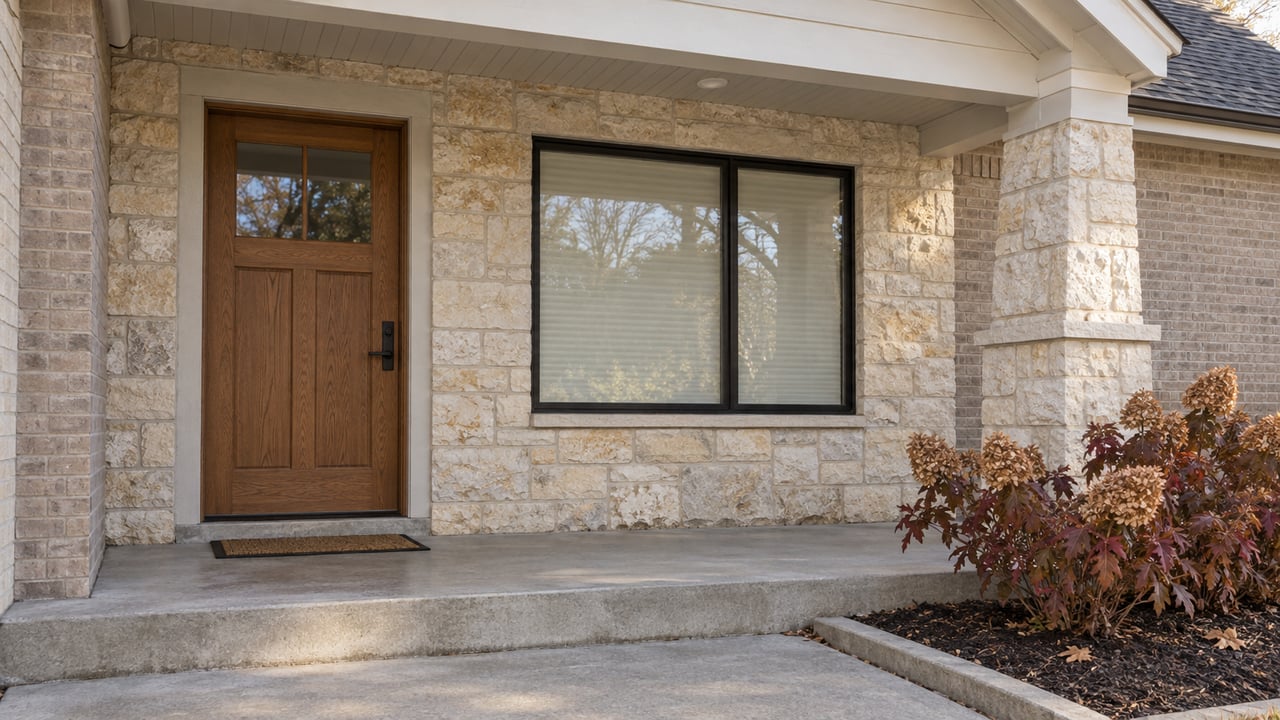
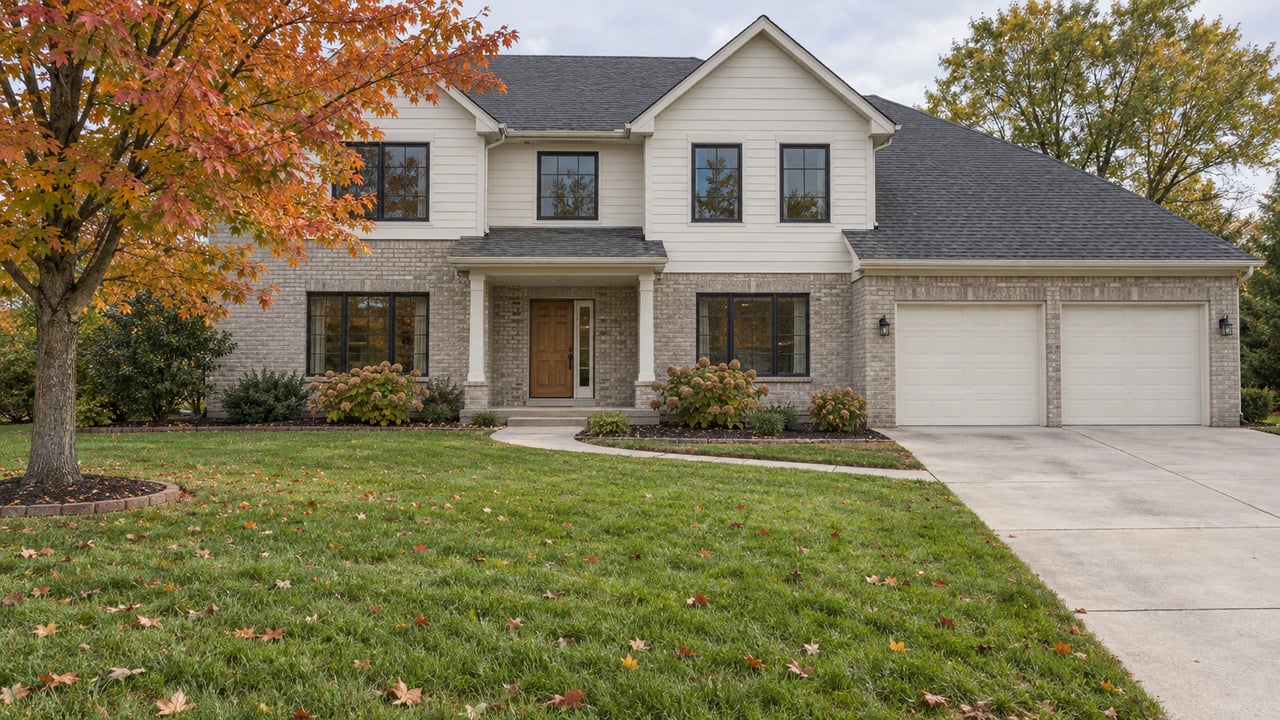
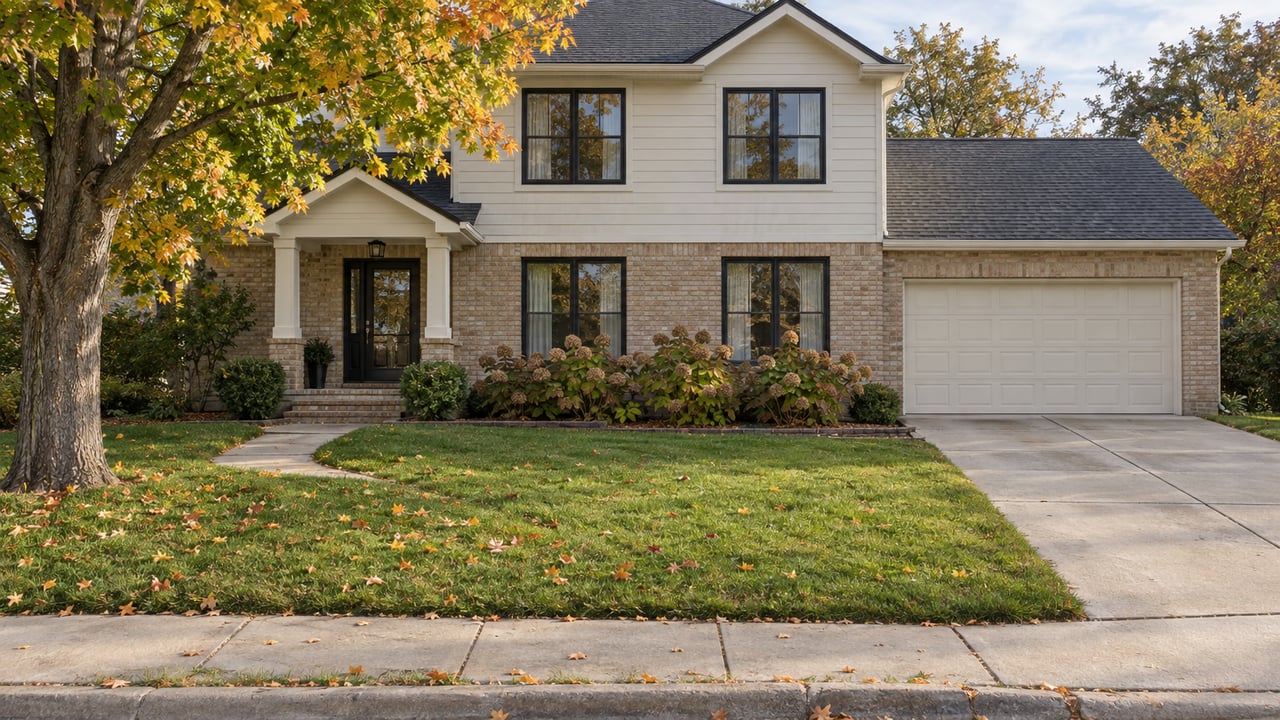
One of the most important things to understand is that the Village District does not mean just one housing style. Zionsville’s comprehensive plan points to a mix that ranges from historic homes surrounding the Village to newer developments along US 421, plus some multifamily inventory across the broader town.
If you focus your search near the Village, you should expect older homes and established neighborhoods to play a bigger role in your options. In the broader Zionsville market, though, newer housing is a major part of the inventory. The town says 47% of its housing stock was built after 2000.
That split is helpful for buyers because it means you can often choose between a more history-forward location and newer construction elsewhere in town. Your decision may come down to whether you prioritize walkability and character, or newer layouts and larger-scale subdivision living.
Why the Village Keeps Its Character
Part of the Village appeal comes from the fact that its look and feel are not accidental. Zionsville’s Architectural Review Committee administers a downtown façade rehabilitation program under architectural façade design guidelines, helping maintain the visual character and scale of the Village Business District.
In simple terms, this area is managed with preservation in mind. Town planning and design documents suggest the district is carefully guided rather than left to change without structure. For buyers, that can be reassuring if you value consistency, charm, and a downtown environment that feels protected over time.
Price Context: What You Can Expect
The Village area sits within one of Boone County’s higher-priced markets. Realtor.com’s April 2026 market summary shows Zionsville with a median listing price of $699,900, a median sold price of $603,125, median price per square foot of $208, and a median 35 days on market.
For comparison, Boone County overall shows a median listing price of $409,900 with a median 40 days on market. Nearby Whitestown comes in at $384,900, and Lebanon comes in at $334,900. Using ZIP-level data as a proxy for the Village side of town, Zionsville’s 46077 ZIP shows a median listing price of $750,000.
Here is the quick takeaway: if you want to live near the Village, you should expect to pay a premium compared with much of Boone County.
| Area | Median Listing Price |
|---|---|
| Zionsville | $699,900 |
| Boone County | $409,900 |
| Whitestown | $384,900 |
| Lebanon | $334,900 |
| Zionsville 46077 | $750,000 |
That higher price point reflects more than just housing. It also reflects the setting, preserved character, retail concentration, dining options, and proximity to parks and walkable amenities.
Who the Village District Fits Best
The Village District tends to appeal to buyers who value lifestyle as much as square footage. If you want to walk to local businesses, enjoy a historic setting, and live near one of the most distinctive town centers in Boone County, this area may be a strong match.
It can also fit move-up buyers who are willing to pay more for location and atmosphere. On the other hand, if your top priorities are maximizing house size or finding a lower entry price, you may want to compare Village-adjacent options with other parts of Zionsville or nearby communities.
That is where local guidance matters. Two homes can both have a Zionsville address, but offer very different day-to-day experiences depending on how close they are to the Village and what type of neighborhood surrounds them.
What to Keep in Mind Before You Buy
Before you buy near the Village, think beyond the charm. Ask yourself how much you will use the walkability, whether you enjoy older-home character, and how important nearby shops, restaurants, and parks are to your routine.
You should also weigh the tradeoff between character and cost. The Village area offers a lifestyle that many buyers love, but the premium is real when you compare Zionsville with the broader Boone County market.
If you are clear on your priorities, it becomes much easier to tell whether the Village is your best fit or whether another part of Zionsville gives you a better balance of home style, price, and convenience.
If you want help comparing Village-adjacent homes with other Zionsville options, Mina Kadhum can help you narrow down the right location, price point, and property type for your next move.
FAQs
Is Zionsville’s Village District walkable for daily life?
- Yes. Town planning documents specifically focus on improving pedestrian, cyclist, parking, and vehicle connections through the Village and downtown.
What kinds of homes are near Zionsville’s Village District?
- Buyers can expect a mix of historic homes near the Village, newer subdivisions in broader Zionsville, and some multifamily housing inventory across town.
Is living near the Village District more expensive than other Boone County areas?
- Yes. Zionsville’s median listing price is $699,900 compared with Boone County’s $409,900, and the 46077 ZIP code proxy is $750,000.
What makes Zionsville’s Village District unique?
- The Village combines brick-paved Main Street, historic buildings, local businesses, cultural activity, and preservation-focused planning in one compact area.
Are there parks near Zionsville’s Village District?
- Yes. Village Corner, Lincoln Park, and Lions Park are close to the center, and larger nearby parks include Elm Street Green, Heritage Trail Park, and Mulberry Fields.