Trying to decide between a brand‑new build and an existing home in Westfield? You’re not alone. With many new communities coming online and a steady resale market, the right choice depends on your budget, timing, and what you value most. In this guide, you’ll learn how prices compare, how long each path takes, what to expect with warranties and HOAs, and how to protect your investment. Let’s dive in.
Westfield market snapshot today
Typical home values in Westfield sit in the mid $400Ks as of early 2026. Public portals show a range near $450K to $475K, with Zillow’s local index around $459,800 and Redfin’s median sale price near $456,250 for January 2026. These sources use different methods, so treat them as directional and confirm with current MLS data for any offer decisions.
Remember that Westfield is a collection of micro‑markets. You will see starter and move‑up homes near the median, active‑adult and townhome product at varying price points, and premium golf or estate communities well above the local norm. Your target neighborhood and product type will drive the real number you pay.
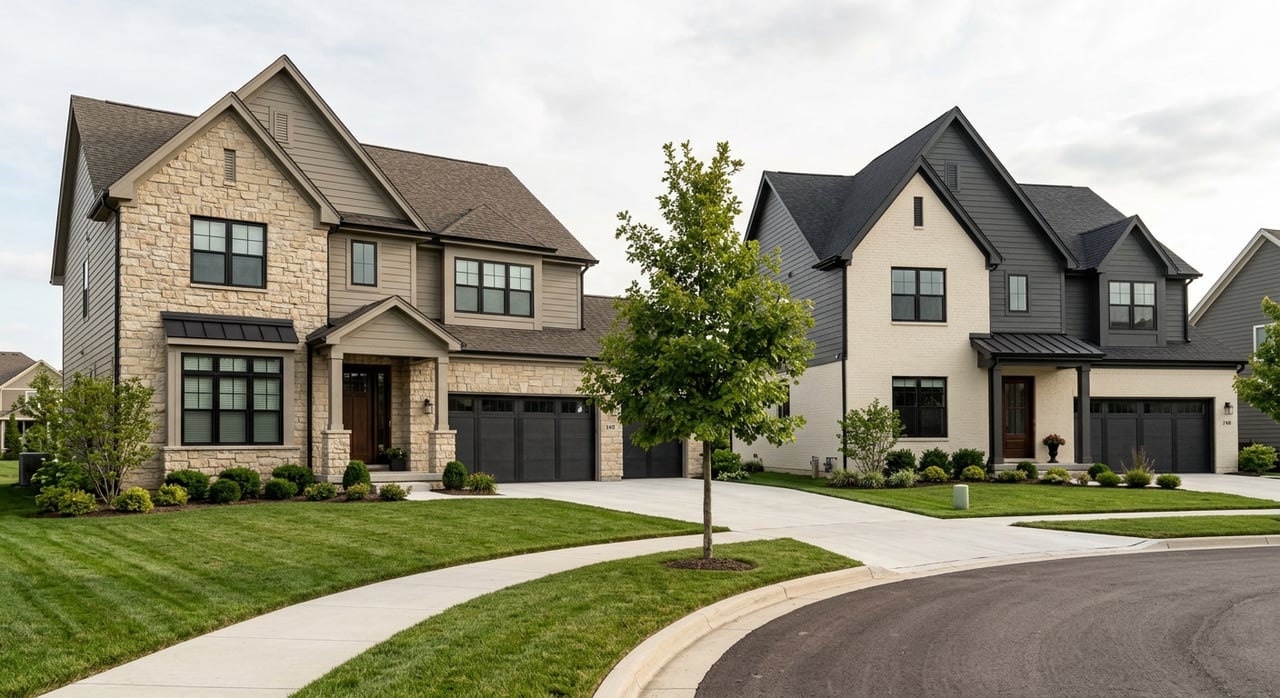
New construction: what you get for the price
National research shows new construction often carries a price premium. Realtor.com’s new‑home analysis reported an average new‑construction premium of about 13.5 percent in early 2025, though that number shifts by region and product type. Builders sometimes offset premiums with incentives such as rate buydowns or closing cost credits, which can improve your true monthly payment and cash to close. You can review that national trend in the latest coverage of new‑home affordability and incentives from PR Newswire.
In Westfield, the premium depends on the community and finish level:
- Chatham Hills and Lindley Ridge represent premium, amenity‑rich options. Estate homes can run far above the local median. Learn more about the Chatham Hills offering on the Drees Homes page.
- Kimblewick by Del Webb offers a 55+ lifestyle with a staffed clubhouse, indoor and outdoor pools, and curated programs. High‑touch amenities help explain higher HOA dues. See the amenity mix in Pulte’s Kimblewick overview.
- Infill and townhome options near the core are available. Pulte’s Towns at Union near Grand Junction Plaza is a good example of modern townhome product close to restaurants, trails, and events. Read local coverage from You Are Current.
Bottom line for price: new homes give you updated systems, modern layouts, and community amenities. You pay for those benefits upfront, and incentives can meaningfully change the net. Resale homes often come in lower than premium new inventory, especially if you are open to a slightly older build.
Resale benefits and trade‑offs in Westfield
Resale homes can reduce your upfront price relative to high‑end new builds in the same ZIP. You also gain mature landscaping and established neighborhood character. Most importantly, you can move sooner and avoid a construction timeline.
The trade‑offs are predictable. Older systems may require sooner replacement, and you will not receive the same set of builder warranties that come with a new home. Many buyers address that with inspections and a homeowner service contract after closing. If you value immediate move‑in and a known street scene, resale can be a great fit.
Timeline and move planning
If you decide to build, timing matters. A national summary from NAHB shows the average time from permit to completion for a single‑family home in 2024 was about 9.1 months. In production communities, 7 to 8 months is common, while custom builds can take longer. See the timing breakdown in this Pro Builder summary.
Quick‑move‑in or spec homes shorten the wait but limit your design choices. If you are selling a current home, plan for overlap options such as temporary housing or a rent‑back. On resale, you can typically close in 30 to 45 days, which simplifies coordination if you have a firm deadline.
Warranties: how new‑home coverage works
Most builders use a version of the 1‑2‑10 warranty structure, often administered by a third‑party provider. That means 1 year for workmanship and materials, 2 years for distribution systems like electrical and plumbing, and up to 10 years for qualifying structural coverage. Learn more about this model at 2‑10 Home Buyers Warranty.
Ask whether the warranty is insurer‑backed and transferable, then keep claim deadlines on your calendar. Remember that a builder warranty differs from a separate homeowner service contract. Keep both documents handy along with manufacturer warranties for appliances and HVAC.
HOAs, amenities, and monthly costs
HOA dues in Westfield vary by product type and amenity level. You will see everything from modest annual dues in traditional subdivisions to higher monthly dues in amenity‑heavy communities.
- Active‑adult communities like Kimblewick by Del Webb offer extensive programming and facilities. Higher monthly dues reflect the cost to run staffed clubhouses, fitness, and pools. Pulte’s Kimblewick overview describes the amenity set.
- Golf and club communities such as Chatham Hills often have annual HOA dues plus optional or required club memberships depending on the home and lot. See the community context on the Drees Homes page.
- Newer subdivisions with simpler common areas tend to charge several hundred dollars per year. Always review covenants, budgets, and what services are included.
When you compare homes, list HOA dues next to your principal, interest, taxes, and insurance so you see the full monthly impact.
Lot premiums, upgrades, and appraisal
Builder pricing often includes three parts: base price, lot premium, and design upgrades. Premium lots such as cul‑de‑sacs, tree lines, or water views usually add cost. Design center selections like cabinets, flooring, and lighting can also push the final price well above the base.
Appraisals rely on nearby comparable sales. If your new home is highly customized or in a phase without many recent closings, the appraisal can come in low. When that happens, you can negotiate seller concessions, rate buydowns, or price adjustments. Builders sometimes offer incentives that help close the gap, and smart contract language can protect you if the appraisal misses.
Local examples to map the spectrum
- Premium living: Chatham Hills and Lindley Ridge bring golf and club amenities with price points much higher than the citywide median. Review community context at Drees Homes and recent product coverage in You Are Current.
- Active‑adult lifestyle: Kimblewick by Del Webb offers amenities and programming designed for 55+ buyers. See Pulte’s Kimblewick overview.
- Infill townhomes: Towns at Union brings modern townhomes near Grand Junction Plaza, highlighted in local news coverage.
These examples show how product type and amenities shape both price and monthly costs. Your must‑haves will determine the right fit.
Quick case study: Westfield townhome vs 10‑year‑old resale
Imagine you are choosing between a new townhome at Towns at Union and a 10‑year‑old townhome nearby with similar square footage.
- The new build may cost more upfront, yet include a builder warranty and options for closing cost help or a rate buydown. It is move‑in perfect with modern finishes.
- The resale may list lower, offer immediate occupancy, and have an HOA that is known and stable. You will weigh any upcoming maintenance against the lower price.
How a local agent protects you in this decision:
- Pricing and appraisal: Your agent pulls recent comps to confirm that the builder’s price, lot premium, and upgrades will appraise based on current sales, then drafts appraisal contingency language to safeguard your deposit.
- Incentives and terms: Your agent knows which builders are offering rate buydowns, design credits, or closing help and structures the offer to capture those savings in writing.
- Inspections and warranty: Your agent coordinates pre‑drywall and final inspections if allowed, reviews warranty enrollment, and tracks deadlines for punch‑list items after closing.
Buyer checklist for Westfield
Use this list to compare new vs resale and keep surprises low:
- Confirm current pricing with recent MLS comparables and date your sources. Treat public portals as directional, not definitive.
- Ask the builder if your home is enrolled in an insurer‑backed structural warranty and whether it is transferable. Get the full booklet in advance. Review the 1‑2‑10 structure at 2‑10 Home Buyers Warranty.
- Request a line‑item quote that separates base price, lot premium, and upgrades. Get any incentives such as rate buydowns or closing credits in writing. National coverage of incentive trends is available via PR Newswire.
- Map a realistic build timeline and a backup housing plan. Use the NAHB timing guidance summarized by Pro Builder as a reference.
- Review HOA covenants, budgets, and two years of financials if available. List exactly what dues include and how often they adjust.
- Plan for appraisal risk on highly customized new homes. Ask for recent builder closings the appraiser can use and consider contract credits to protect against shortfalls.
Which path is right for you
Choose new construction if you value modern layouts, energy efficiency, and the peace of mind that comes with a structured builder warranty. Be prepared for a longer timeline and a higher sticker price, even after incentives.
Choose resale if you want a faster move, a potentially lower upfront price, and an established neighborhood setting. Budget for near‑term updates and system replacements based on inspection findings.
If you are weighing both, a local, data‑driven advisor can frame the trade‑offs in your specific price range and neighborhood short list. When you are ready, reach out to Mina Kadhum for a calm, clear plan that protects your budget and timeline in Westfield.
FAQs
How long does a new build take in Westfield?
- National data shows about 9 months on average from permit to completion, with many production builds finishing in 7 to 8 months and custom projects taking longer.
How much more do new homes cost than resale locally?
- National analysis showed about a 13.5 percent premium in early 2025, but Westfield’s premium varies by community, finish level, and current builder incentives.
What do HOA fees usually cover in Westfield new communities?
- Dues often cover common‑area maintenance, trails, and sometimes lawn care, with amenity‑heavy communities adding clubhouse, pools, and programming that raise monthly costs.
How do new‑home warranties work for buyers?
- Many builders use a 1‑2‑10 model that covers workmanship for 1 year, major systems for 2 years, and structural items up to 10 years, often through a third‑party administrator.
Can you negotiate with Westfield builders on price or terms?
- Yes, especially on quick‑move‑in homes or during slower seasons, with concessions like rate buydowns, closing credits, or design upgrades commonly on the table.