Imagine stepping out your front door and onto a paved path that carries you to parks, coffee, and downtown Carmel without touching your car. If you are weighing a move near the Monon Trail, you are likely picturing easier workouts, simpler errands, and a stronger sense of community. This guide walks you through what day-to-day life really looks like, the types of homes you will find, typical price bands, and smart tips for buyers and sellers. Let’s dive in.
Monon Trail at a glance
The Monon Trail is a paved, multi-use path on a former railroad corridor that runs north to south through Indianapolis, Carmel, and into Westfield. In Carmel it connects neighborhoods to parks, civic sites, and major activity hubs, including City Center and the Arts & Design District. You will see walkers, runners, cyclists, and people commuting to nearby offices and schools.
Carmel maintains its sections with lighting, landscaping, and regular sweeping. Trailheads commonly feature benches, maps, and clear signage. While maintenance and policing vary by jurisdiction, the Carmel portion is integrated with city parks and local streets for smooth access.
One of the biggest perks is regional connectivity. The trail gives you a mostly car-free route to downtown Carmel and links north toward Westfield and south toward Indianapolis for longer rides.
Daily life near the trail
Recreation and social life
Living near the Monon makes it simple to build short walks, runs, or bike rides into your routine. Many residents use nearby segments for daily exercise and venture farther on weekends. The trail also connects to parks and public greens that host community events and performances, so it is easy to meet friends and enjoy outdoor gatherings.
Walkability and errands
If you live within a 5 to 15 minute walk of the trail near City Center or the Arts & Design District, you can often reach restaurants, coffee shops, small retail, and arts venues with ease. Farther from downtown, the trail functions more as a recreational connector than a commercial corridor, so plan on biking a bit farther for errands.
Commuting choices
Bike commuting is realistic if you work in or near downtown Carmel. Experienced cyclists also use the trail to reach parts of Indianapolis. Driving remains the primary regional commute mode; drive times vary by location and time of day, and many commutes fall roughly in the 20 to 40 minute range. Public transit options in Carmel are limited, so confirm any regional routes that fit your schedule.
Lifestyle tradeoffs
The benefits are clear: regular outdoor time, a connected community feel, and an active transportation option. Consider that popular segments near City Center and major trailheads can get busy on weekends and during events. Parking near trailheads may be tight at peak times, and homes right on the corridor may notice more passersby.
Homes near the Monon Trail
Housing types by corridor
- Urban/center-adjacent: Condos, lofts, mixed-use buildings, and infill townhomes cluster near Carmel City Center and the Arts & Design District. Expect smaller footprints and the highest walkability.
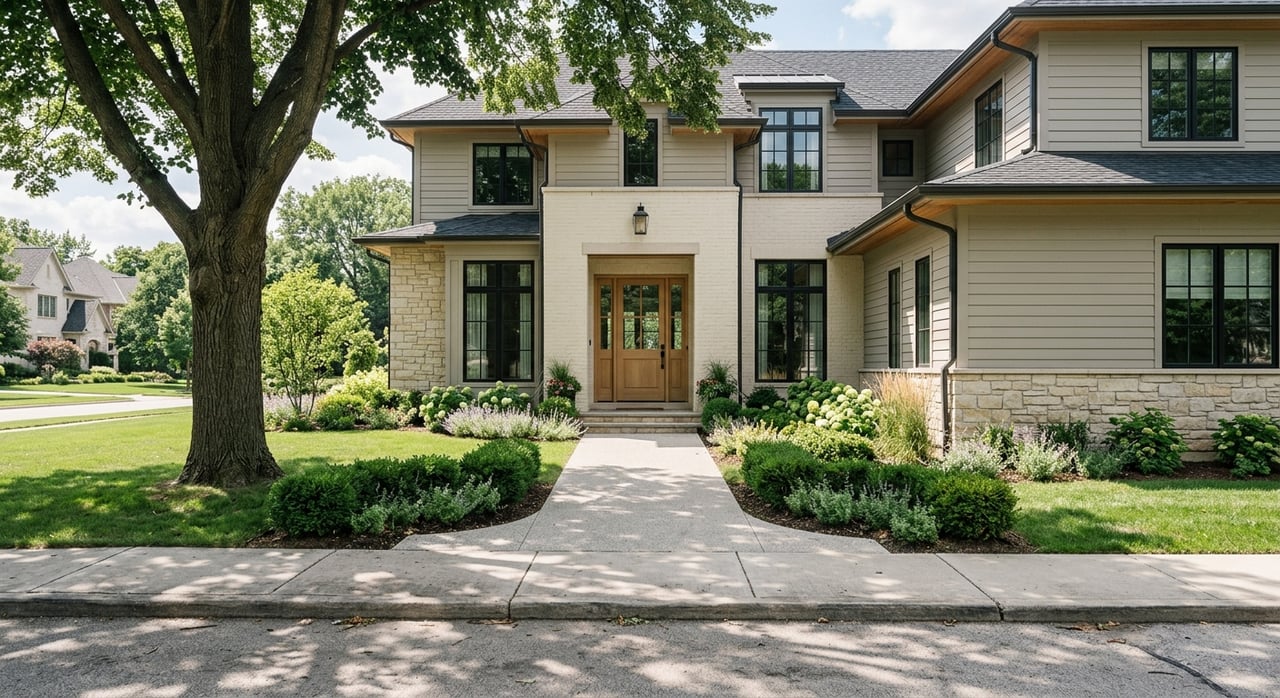
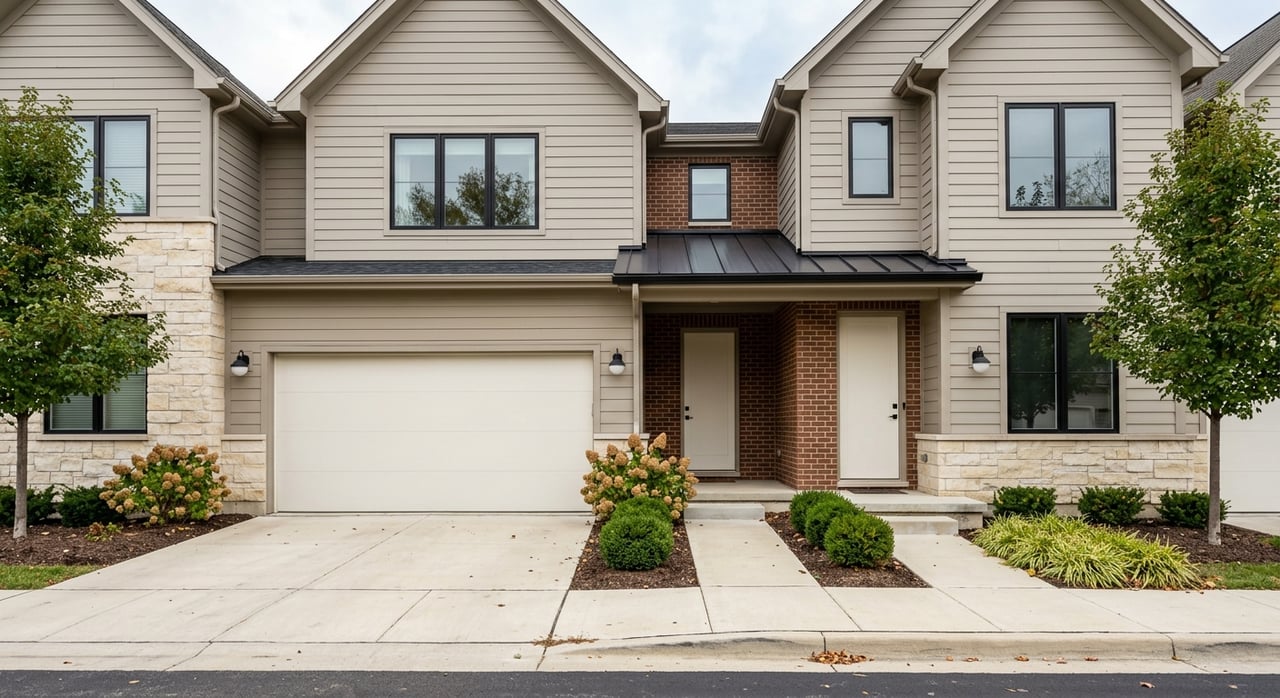
- Transitional/mid-corridor: Townhomes and smaller single-family homes from the late 20th and early 21st centuries offer quick access to parks and a short ride to dining.
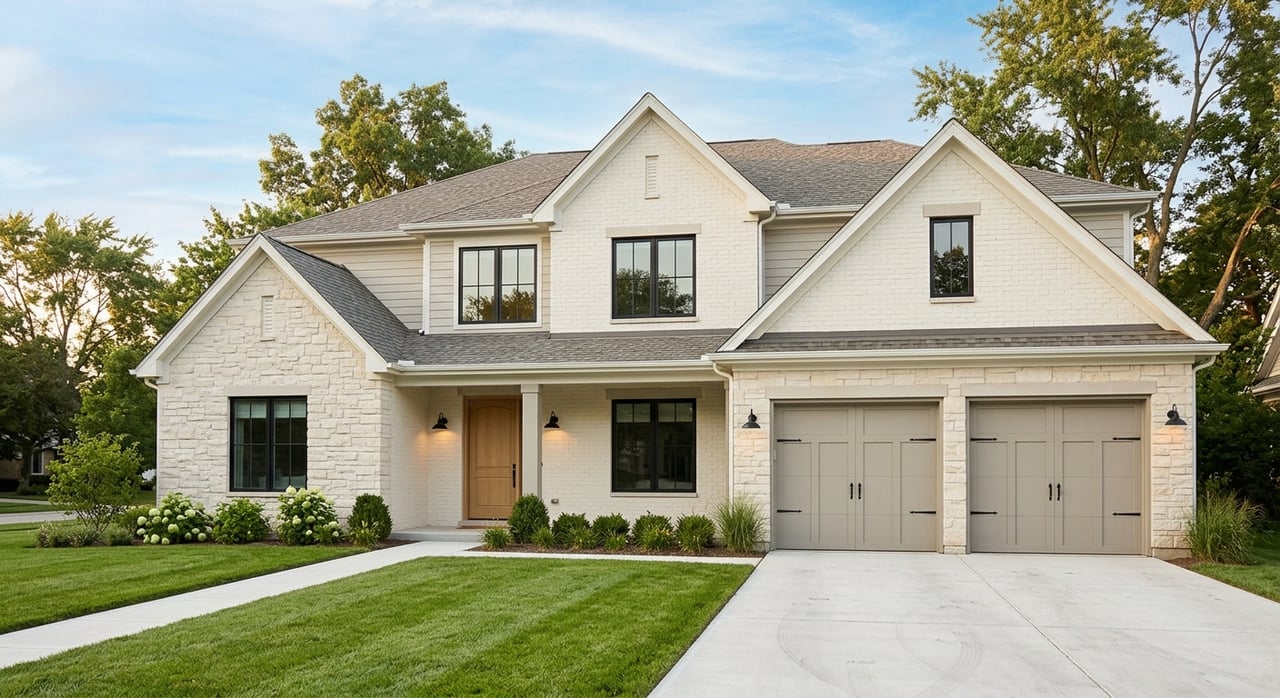
- Suburban/outlying: Single-family homes on larger lots sit farther from downtown, with quieter streets and a longer walk or short drive to trail access.
- Luxury/estate pockets: Select areas north of central Carmel and near greenbelts include larger custom homes, sometimes with direct trail or park adjacency.
What to expect on prices
Local pricing changes often and depends on proximity, condition, and exact location. As a general guide in the mid‑2020s:
- Condos and smaller townhomes near central access points often range from the low-to-mid $200Ks into the $200K–$400K band, depending on size, age, and finishes.
- Townhomes and modest single-family homes close to the trail commonly fall in the mid‑$300Ks to $600Ks, based on updates, lot size, and walkability.
- Larger single-family homes and newer subdivisions near trail corridors often land in the $500Ks to $900Ks, while select custom properties can exceed $1M.
Micro-neighborhoods closest to City Center often command premiums. Always confirm the latest numbers with current market data before you decide.
Buyer tips for trail living
- Define “near”: Decide if you want doorstep access, a short walk, or a short drive. Match this to how often you plan to use the trail.
- Test the routine: Visit at different times to gauge foot and bike traffic, event schedules, and parking near trailheads.
- Check parking: Confirm driveway capacity and any on-street rules; popular weekends can crowd nearby streets.
- Consider privacy: Homes right along the corridor may see more passersby. Look for fencing, landscaping, and window treatments that suit your comfort level.
- Review HOA rules: For condos and townhomes, confirm pet policies, outdoor storage rules, and rental restrictions.
- Verify schools: Carmel Clay Schools serve the area; confirm exact attendance boundaries for each address under review.
- Evaluate flood risk: Parts of the corridor run near creeks. Check FEMA maps and local designations before you buy and discuss insurance with your lender and insurer.
Seller tips near the trail
- Lead with lifestyle: Highlight trail access, proximity to parks, and quick trips to City Center in your listing copy and photos where accurate.
- Showcase outdoor spaces: Stage patios, porches, and bike storage to help buyers imagine daily life.
- Price strategically: Homes near high-traffic segments may attract strong interest; be ready to discuss any noise or crowd concerns and position your price accordingly.
- Time your showings: If events increase traffic, plan open houses to capture energy without overwhelming parking.
Micro areas to explore
- Carmel City Center and Arts & Design District: Highest walkability, mixed-use options, dining and arts access.
- Midtown and south of downtown: Quick access to the trail without being right in the busiest core.
- Northern Carmel corridors: Newer subdivisions with easy connections to parks and greenbelts.
- Toward Westfield: Transitional communities with a more suburban feel and straightforward trail links.
Always confirm boundaries, school assignments, and current pricing with the latest data when you are ready to act.
Practicalities and policies
Parking and access
Trailhead parking can fill quickly during peak hours and events. If you plan to host guests often, check neighborhood parking rules and your driveway capacity.
Noise, privacy, and events
Expect more activity near major trailheads and City Center, especially on weekends. Simple fixes like strategic landscaping, privacy fencing, and window coverings can help balance openness with comfort.
Flood and insurance
Segments near waterways can lie near flood zones. Review FEMA flood maps and discuss coverage with your insurer to understand any requirements and costs.
HOAs and community rules
Condo and townhome communities near the trail often have HOA guidelines for pets, rentals, balconies, and exterior storage. Read documents closely before you commit.
Easements and maintenance
If your lot backs to the corridor, verify any trail easements and setbacks that affect fencing or landscaping plans. Clarify who maintains buffer zones, lighting, and drainage near your property.
Is trail living right for you?
If you value a healthier daily rhythm, quick access to parks and dining, and a stronger connection to Carmel’s civic life, living near the Monon Trail can be a great fit. The key is to balance walkability and convenience with privacy and parking that match your lifestyle. When you map those tradeoffs, you can find the sweet spot.
Ready to explore homes near the Monon or position your property for a standout sale? Connect with Mina Kadhum to discuss your goals, compare neighborhoods, and request a free market valuation.
FAQs
Is the Monon Trail well-lit and safe at night in Carmel?
- Carmel maintains lighting and regular upkeep on its sections; conditions vary by segment and season, so use common-sense safety practices and check current city updates.
How close is the trail to restaurants and arts venues?
- Near City Center and the Arts & Design District, many homes within a 5 to 15 minute walk of the trail can reach dining, coffee, shops, and performances, depending on exact location.
What home types and prices should I expect near the trail?
- You will find condos, townhomes, and single-family homes; mid‑2020s guidance ranges from the low-to-mid $200Ks for smaller condos to $500Ks–$900Ks for larger homes, with select custom properties above $1M.
Does living near the trail affect property value?
- Proximity can be a selling point and micro-neighborhoods close to City Center often command premiums; exact value depends on location, condition, and market timing.
Are there parking or privacy issues right on the trail?
- Busy segments can see more weekend traffic and limited trailhead parking; check on-street rules, driveway size, and consider fencing or landscaping for privacy.
Is the trail practical for commuting?
- Yes for many local trips to downtown Carmel by bike; regional driving remains common with variable times, and public transit is limited compared with Indianapolis.
What about schools for families near different trail segments?
- Addresses are typically served by Carmel Clay Schools; always confirm attendance boundaries for each property you consider.
Will I notice crowds or seasonal noise?
- Expect heavier use on nice weekends and during events, especially near City Center; weekday mornings and off-peak hours are usually quieter.
Are there rules for trail users near homes?
- City policies and park rules govern permitted events, hours, and leash requirements; check current municipal resources for details that apply to your segment.