Buying in Westfield can move fast, and the best homes attract multiple offers. You want your offer to stand out without taking on more risk than you can handle. The key is using contingencies the right way so you protect your budget and still look strong to the seller. In this guide, you’ll learn what each contingency does, the timelines most Westfield buyers use, and how to tailor your offer for today’s micro-markets. Let’s dive in.
What contingencies do
Contingencies are contract protections that must be satisfied for the sale to close. They set clear timelines and give you options if something important goes wrong. In Westfield, these details are written into standard Indiana purchase forms and addenda, and you can negotiate the deadlines to fit the situation.
Inspection contingency
This lets you hire a professional inspector to review the property’s structure and major systems. You can request repairs, ask for a credit or price adjustment, or cancel if material defects are found within your inspection period. Many buyers add specialized checks like radon, sewer scope, pest, mold, or well and septic if the property calls for it.
Financing contingency
This protects you if you cannot obtain your mortgage on the agreed terms. You typically submit a strong pre-approval with your offer, then work toward a lender commitment by a set deadline. If you follow the contract steps and still cannot secure financing, you can end the deal and keep your earnest money.
Appraisal contingency
Lenders require an appraisal to confirm the home’s value supports the loan. If the appraisal comes in below the purchase price, you can try to renegotiate, bring cash to bridge the gap, or cancel if your contingency allows. In multiple-offer situations, many buyers use an appraisal gap clause to stay competitive.
Home-sale contingency
Your purchase depends on selling and closing your current home by a stated date. Sellers see this as extra risk because your timeline can change. Some will consider it with protections like clear deadlines or the right to accept backup offers, but it is less common in competitive Westfield pockets.
Typical timelines in Westfield
Most Westfield offers follow national norms, with shorter windows on hot listings:
- Earnest money: usually due within 1 to 3 business days after acceptance.
- Inspection period: often 7 to 10 days. Competitive offers may be 5 days, and very hot listings can push to 3 days.
- Financing contingency: commonly 21 to 30 days. With pre-underwriting, some buyers set 14 to 21 days.
- Appraisal: often delivered 7 to 14 days after ordering, but timing depends on lender scheduling.
- Closing: typically 30 to 45 days from acceptance, based on lender and title work.
Leverage in a hot market
Shorter timelines mean less time the home is off the market, which sellers like. That is why you often see 3 to 5 day inspections and 14 to 21 day financing windows on competitive listings. Appraisal gap clauses can strengthen your position when values are rising or unique properties lack comparable sales. Home-sale contingencies reduce seller confidence, so you usually need to offer stronger price or terms to offset the risk.
Westfield market insights
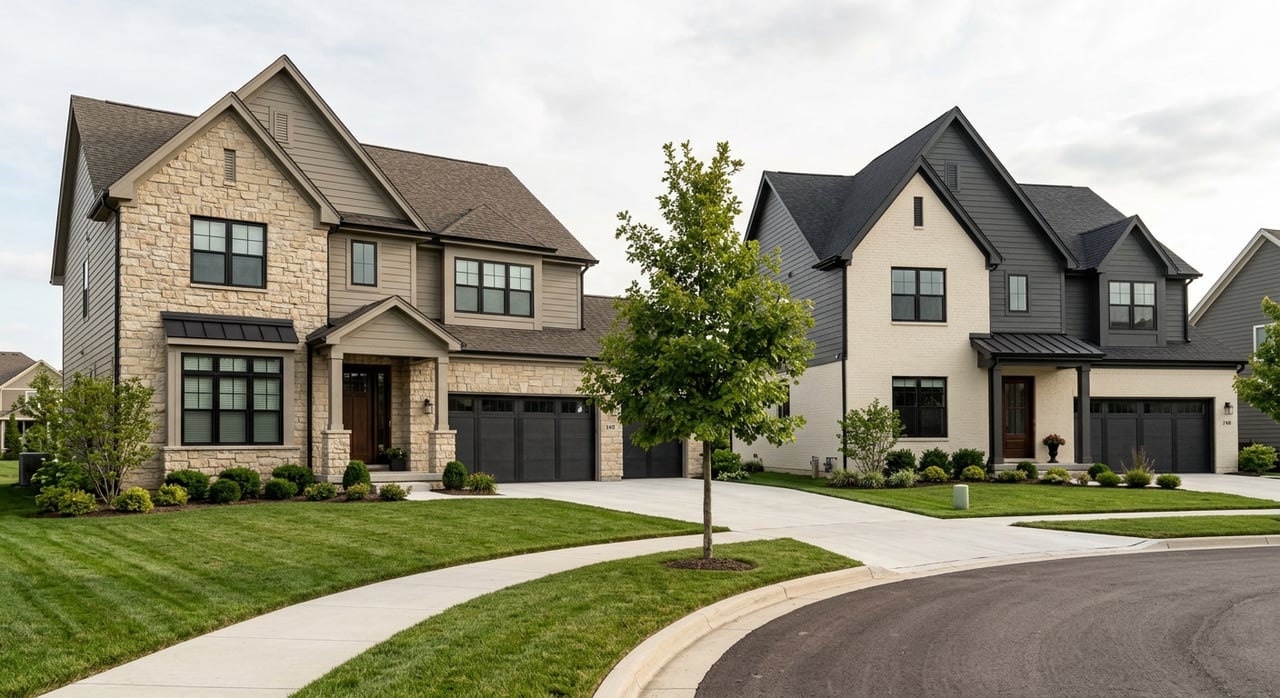
Westfield draws strong demand thanks to new developments, convenient access to Indianapolis, and popular local amenities like Grand Park. You will see a mix of newer subdivisions and builder resales, along with older neighborhoods and properties that may need repairs.
- New construction: Builders often use their own contracts with tighter contingency allowances. They may favor warranties over repair negotiations and set longer build timelines with different milestone dates.
- Appraisals: Rapidly appreciating neighborhoods and custom upgrades in new subdivisions can create appraisal challenges. Plan for potential gaps with reserves or clear appraisal strategies.
- Specialized inspections: Certain lots may need extra checks like radon, sewer scope, or well and septic. Build the right inspections into your contingency plan.
Buyer strategies that work
Protected but competitive
- Inspection: 5 to 7 days with a full general inspection. Add targeted tests only if the property suggests risk.
- Financing: Secure a strong pre-approval or pre-underwriting. Set the financing contingency at about 21 days.
- Appraisal: Keep the appraisal contingency. Consider a modest appraisal gap only if it fits your budget.
- Home sale: Avoid if possible. Explore bridge financing or extra reserves instead.
- Why it works: You keep meaningful protections while signaling serious intent.
Aggressive but careful
- Inspection: 3 to 5 days, general inspection focused on major systems. Be ready to accept minor issues.
- Financing: Aim for a lender commitment prior to offer and set a 14 day financing deadline.
- Appraisal: Use a partial appraisal waiver or a larger appraisal gap if you have funds.
- Home sale: Usually waived.
- Why it works: High acceptance odds, but you must be financially prepared for surprises.
Conservative or rehab property
- Inspection: 10 to 14 days with specialized inspections as needed, such as structural or septic.
- Financing: 30 to 45 days if using renovation loans or more complex financing.
- Appraisal: Standard appraisal contingency with clear documentation of planned improvements.
- Home sale: May be acceptable if the seller is flexible.
- Why it works: Strong protection on higher-risk homes with a trade-off in competitiveness.
Your step-by-step plan
- Get a strong pre-approval or pre-underwriting and gather proof of funds.
- Ask your local agent to review neighborhood-level competition and typical contingency lengths.
- Decide your inspection scope and line up an inspector who can schedule quickly.
- Set an appraisal plan, including how much gap you can cover if needed.
- Consider alternatives to a home-sale contingency, like bridge financing or leaseback options.
- Prepare a backup plan if you shorten timelines, including extra reserves and access to funds.
Clauses and options to consider
- Inspection Repair Addendum to set clear request and response deadlines.
- As-is with inspection right so you can cancel for major defects while accepting minor issues.
- Appraisal gap clause that caps how much you will cover if value comes in low.
- Mortgage commitment deadline for stronger financing assurance compared to general approval language.
- Escalation clause to increase price up to a cap without giving up key protections.
Risks and trade-offs
Shortening or waiving contingencies can help you win, but you take on more risk. You could face unexpected repairs, a low appraisal, or a financing delay that threatens your earnest money if you missed a deadline. Keeping longer or broader contingencies lowers your risk but can weaken your offer on hot listings. The best move is to tailor each contingency to the property, the neighborhood, and your financial comfort.
Wrap-up
The right contingency plan helps you move fast without losing key protections. In Westfield, you can stay competitive by tightening timelines, preparing your lender and inspector in advance, and using targeted clauses like an appraisal gap. If you want a custom plan for your budget and target neighborhoods, connect with Mina Kadhum. We will help you craft terms that protect you while boosting your odds of acceptance.
FAQs
In Westfield, can I waive the inspection contingency to win?
- Yes, but it raises your risk; many buyers keep a short inspection window or do limited pre-offer checks instead.
What happens if the appraisal is lower than my price?
- You can renegotiate, pay the difference, contest the appraisal with comparable sales, or cancel if your contract allows.
Will Westfield sellers accept a home-sale contingency?
- It is less common in competitive submarkets; you may need stronger price or terms, or use alternatives like bridge financing.
How long are typical Westfield contingency timelines?
- Inspection is often 5 to 10 days, financing 14 to 30 days, and closing 30 to 45 days, with shorter windows on hot listings.
How much earnest money should I plan for?
- It varies by deal; larger deposits can signal strength, and your local agent can advise what is typical for the neighborhood.